COLOR AS DIRECTION · SYMMETRY AS RHYTHM · PRODUCT AS RITUAL
RITUAL STUDYMIRROR / PRODUCTCAST STUDYTHEATRICAL SERVICE
NARRATIVE
剧情片
02FANTASY NARRATIVE SHORT
THE LAST HOWL
剧情短片《狼隐》
ROLEDIRECTOR / ART DIRECTOR
CREATIVE APPROACH / 创作出发点
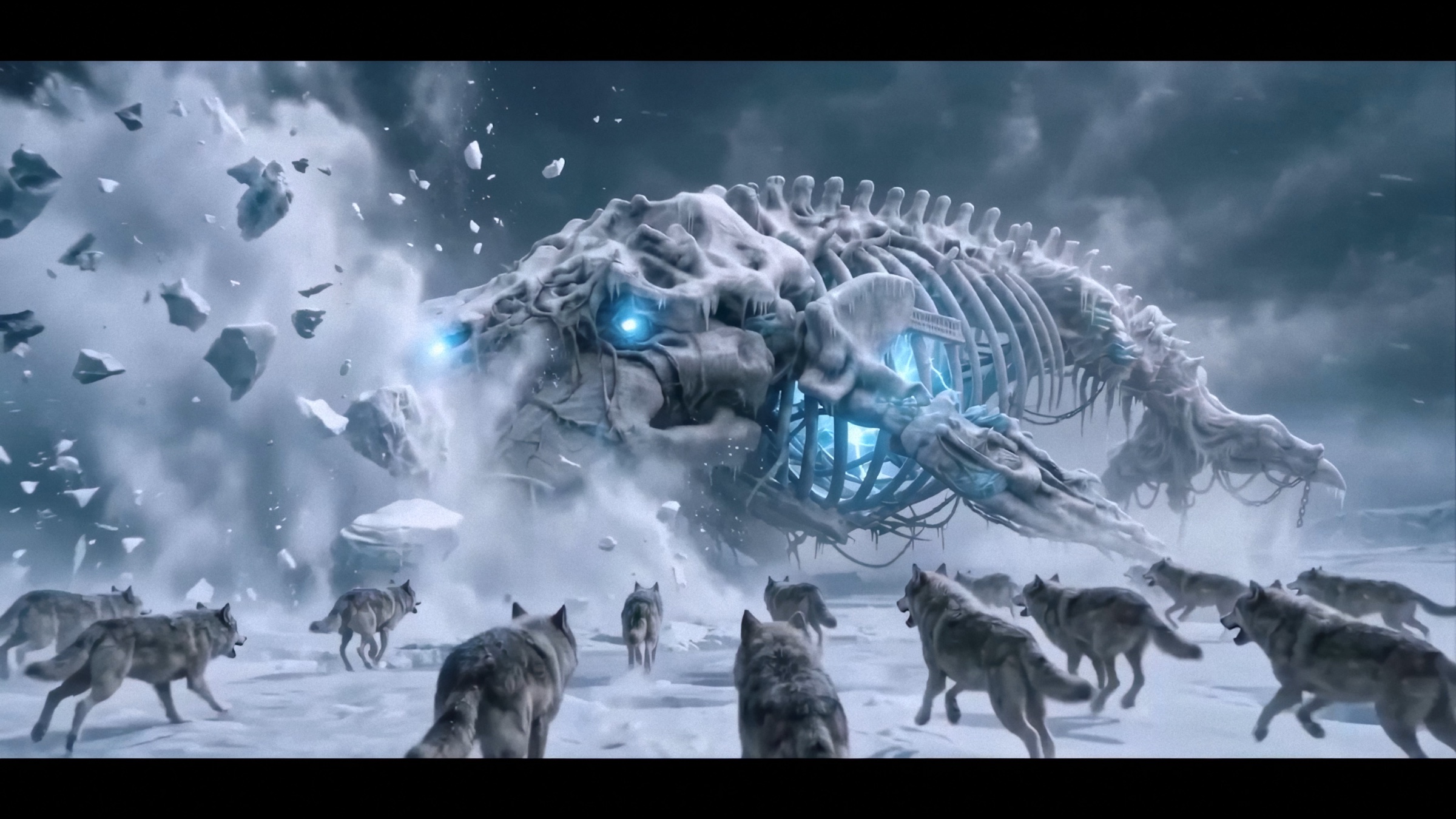
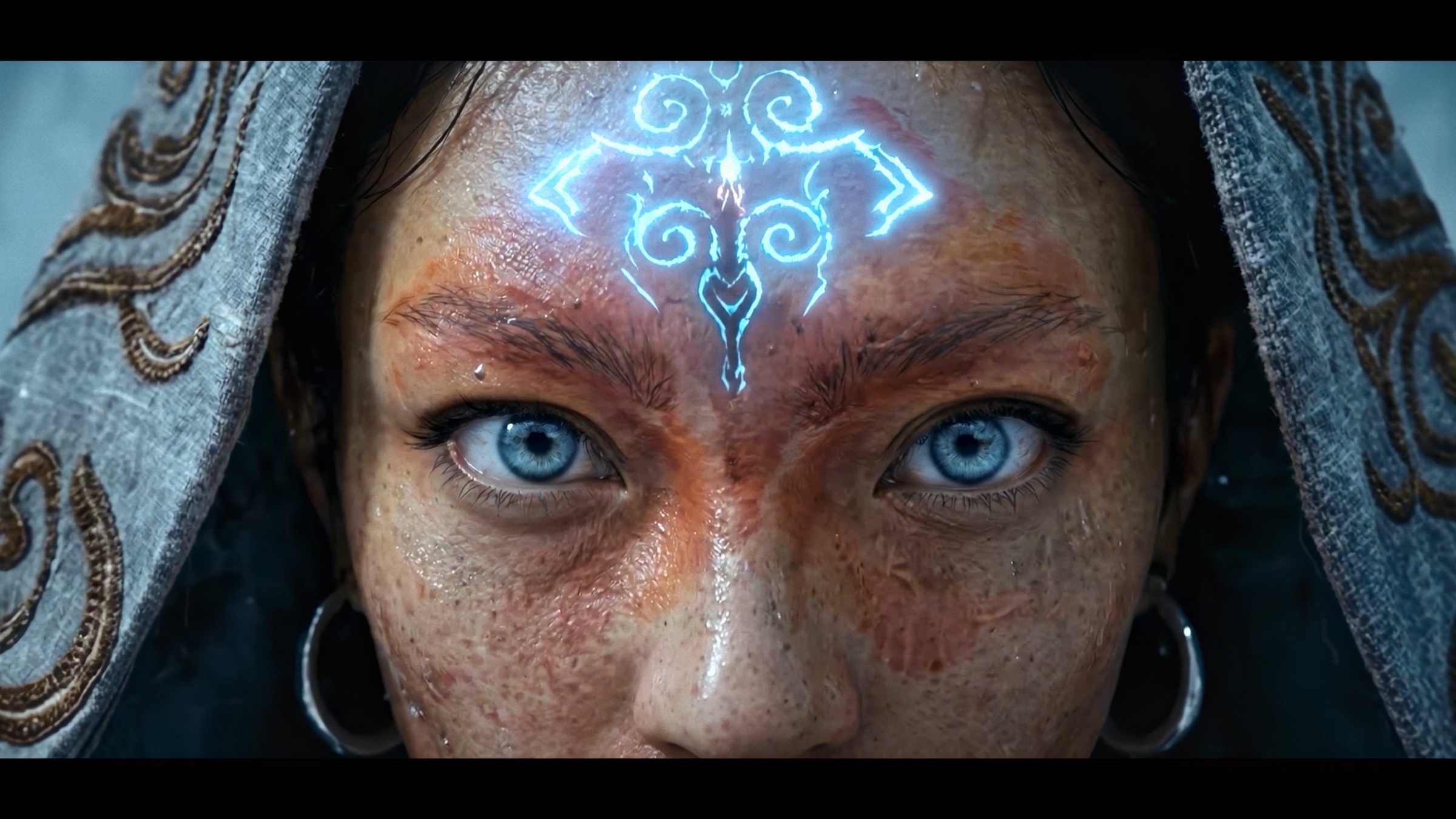
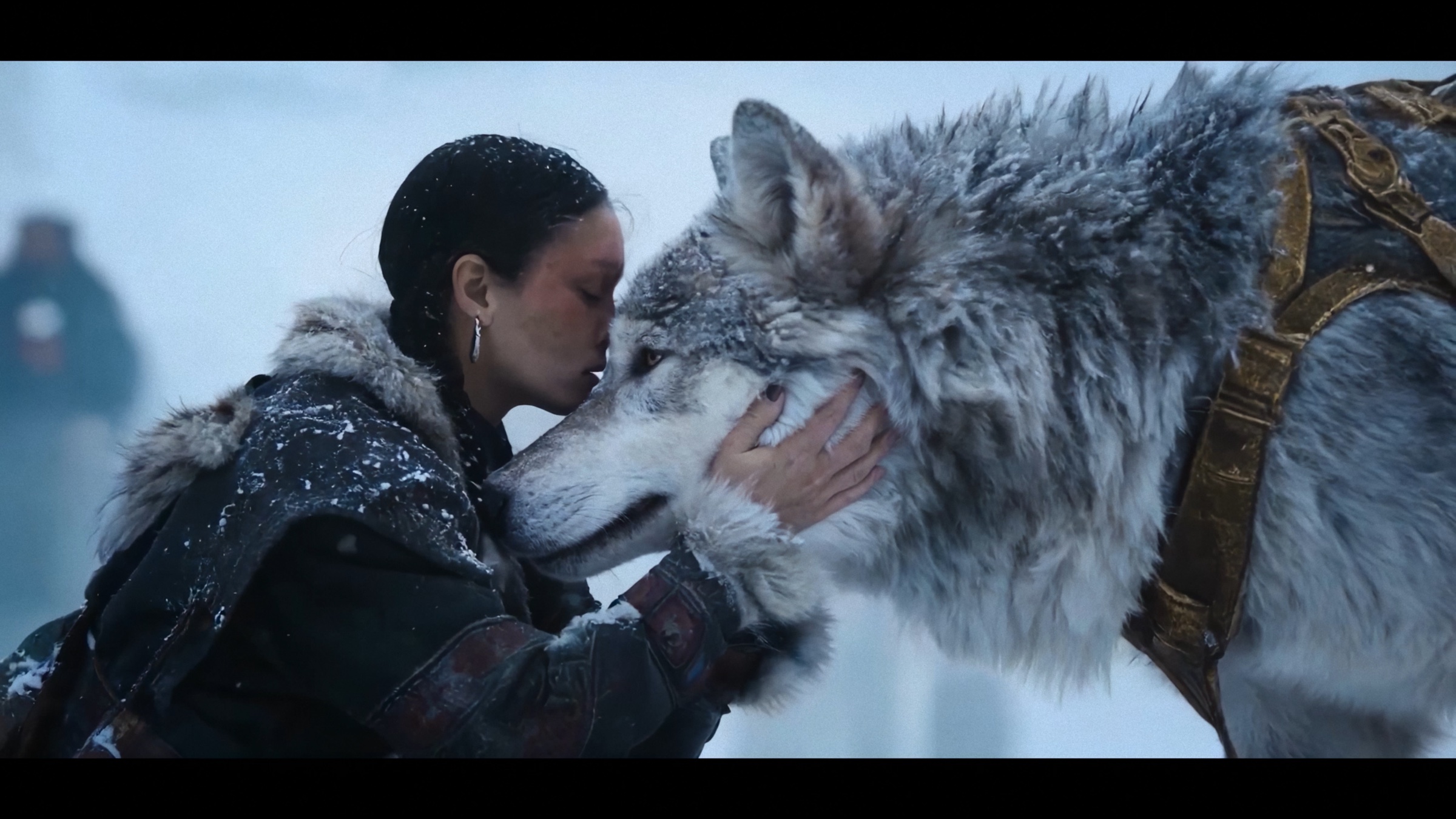
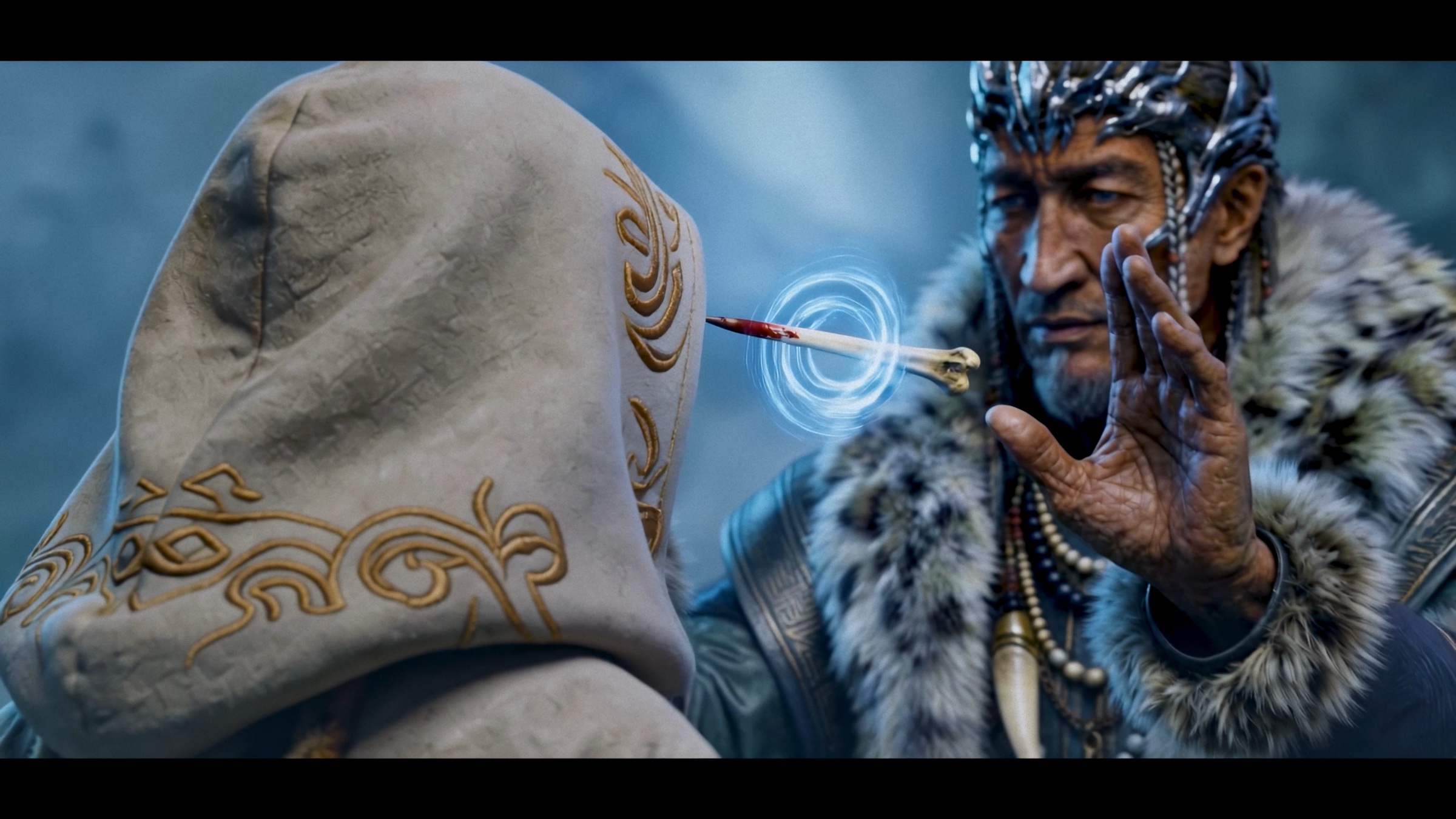
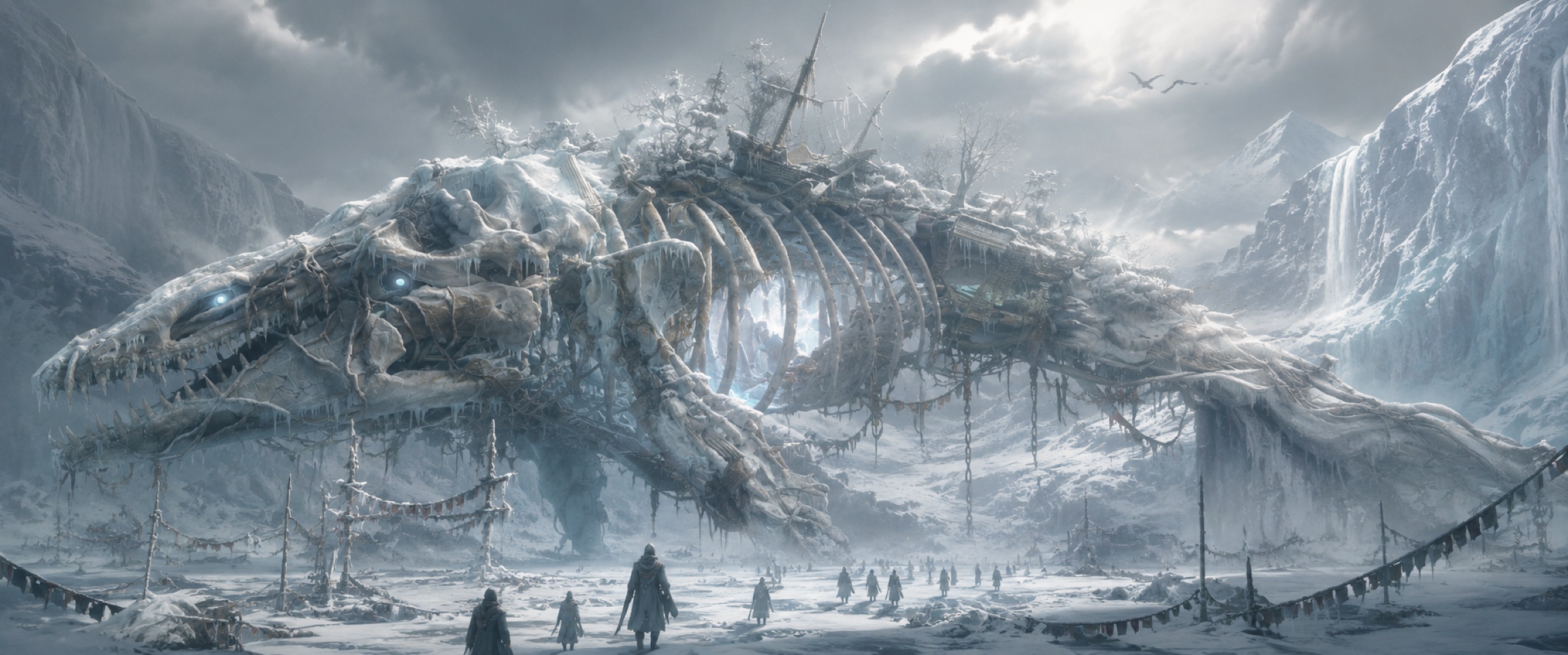
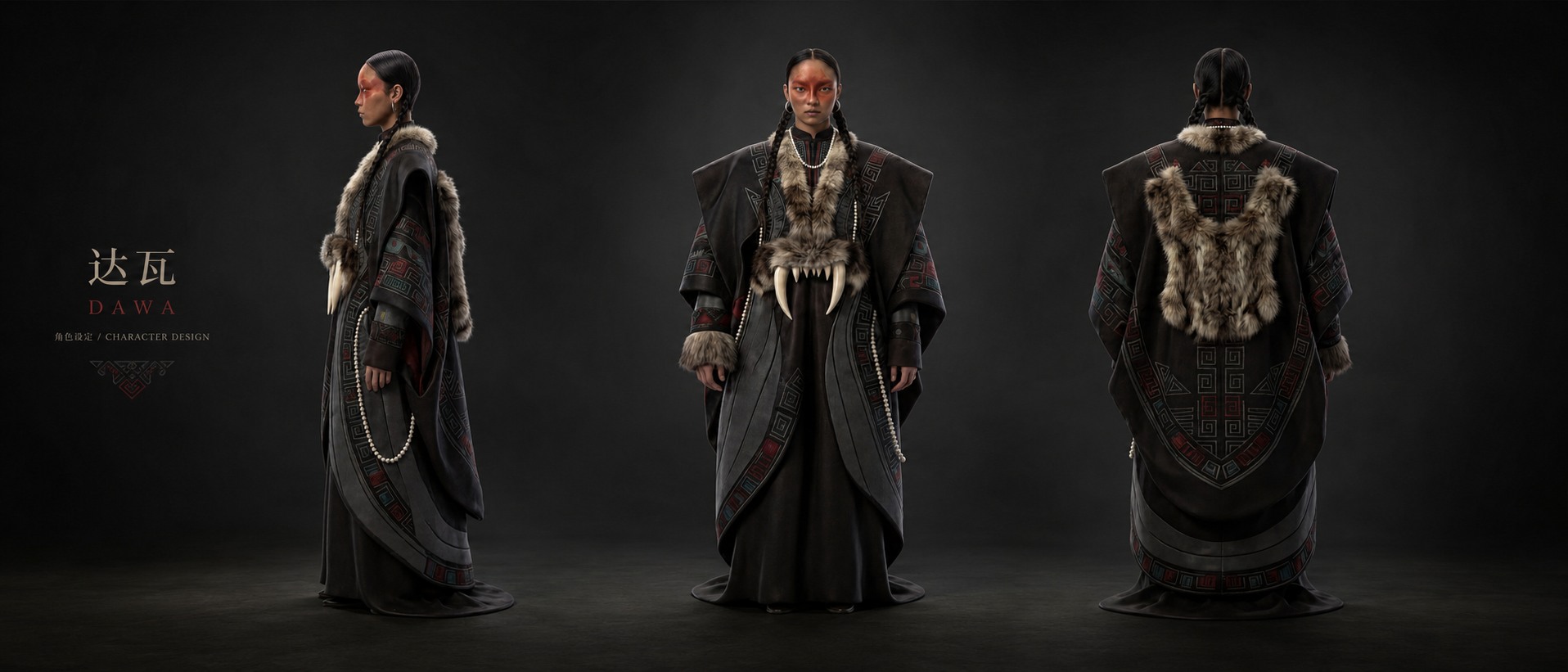
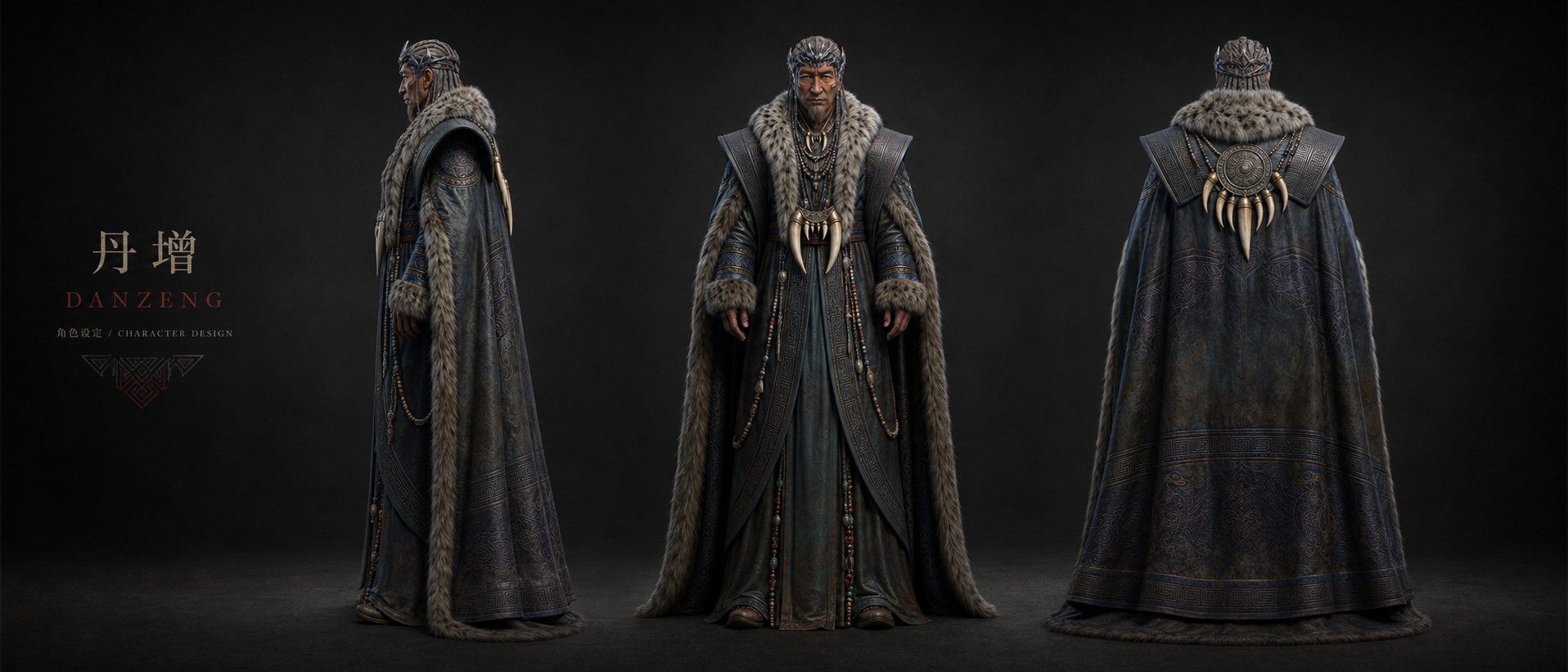
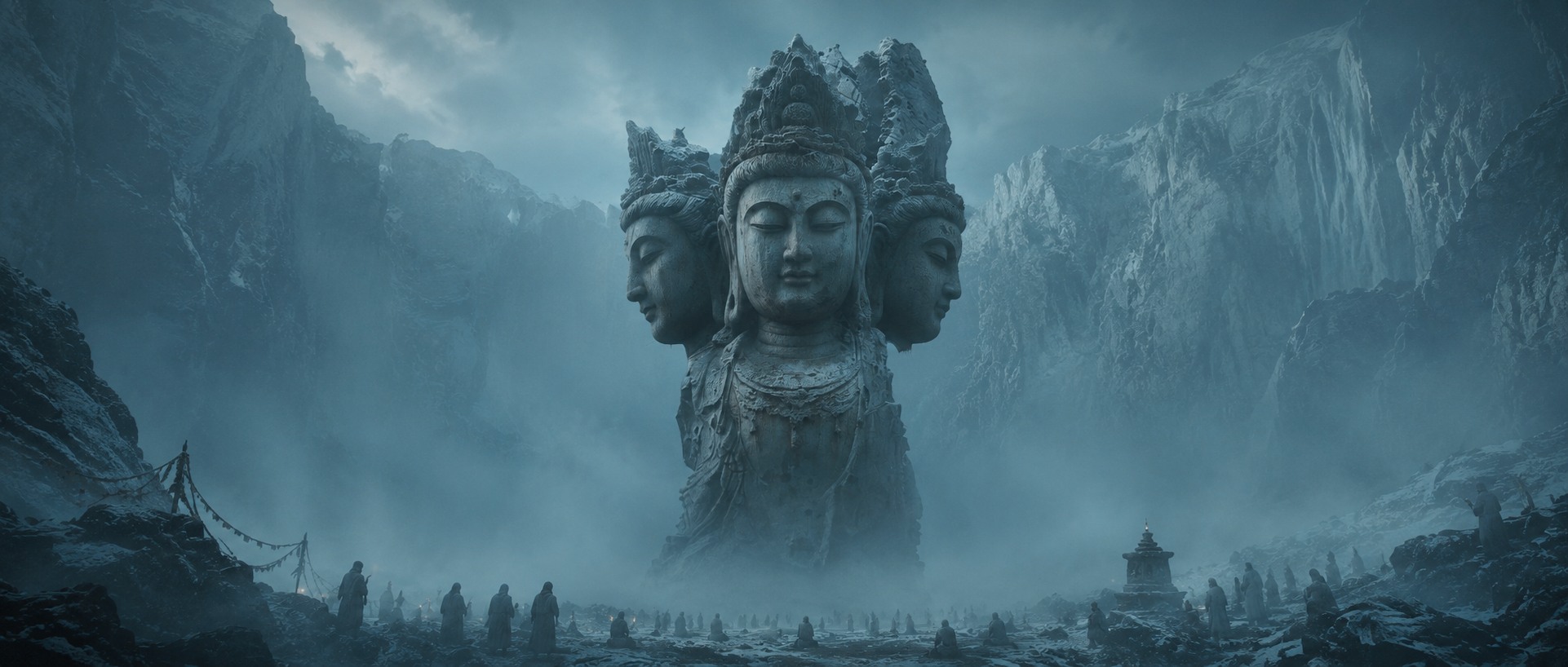
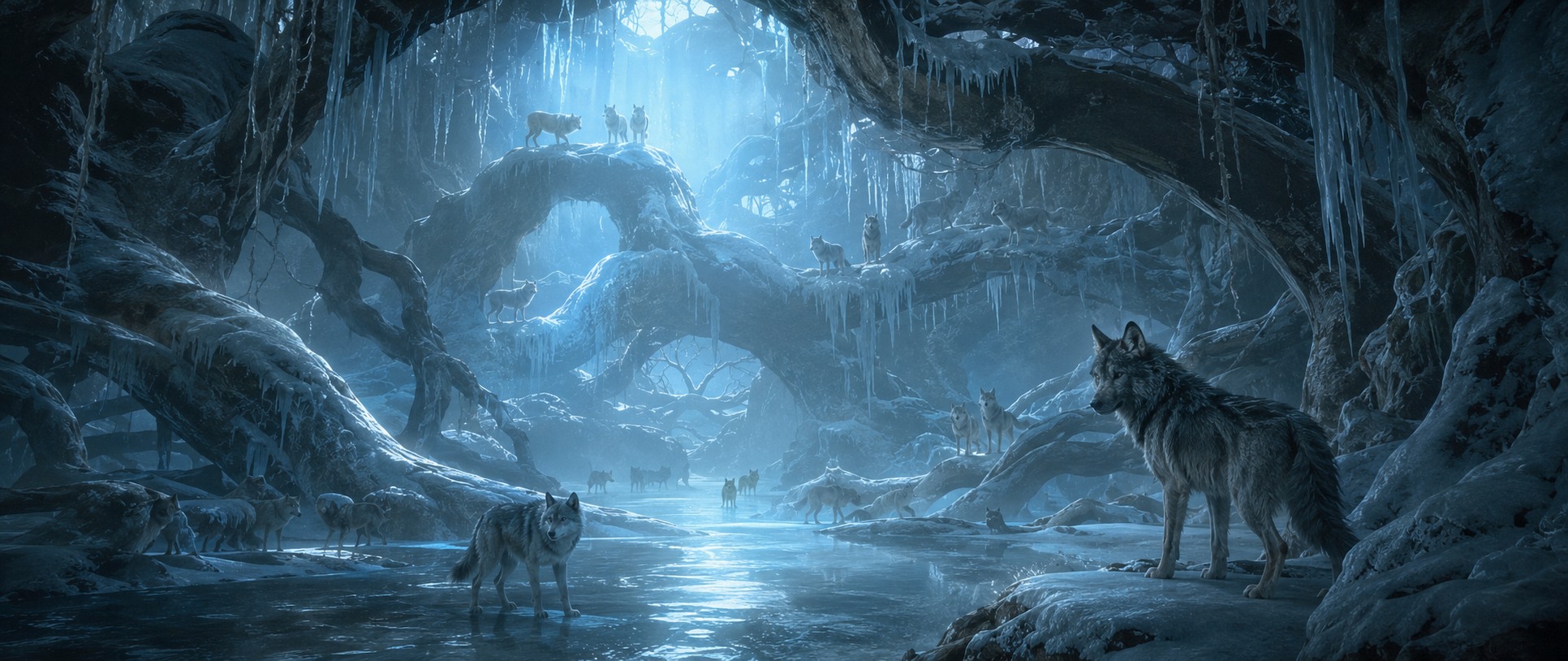
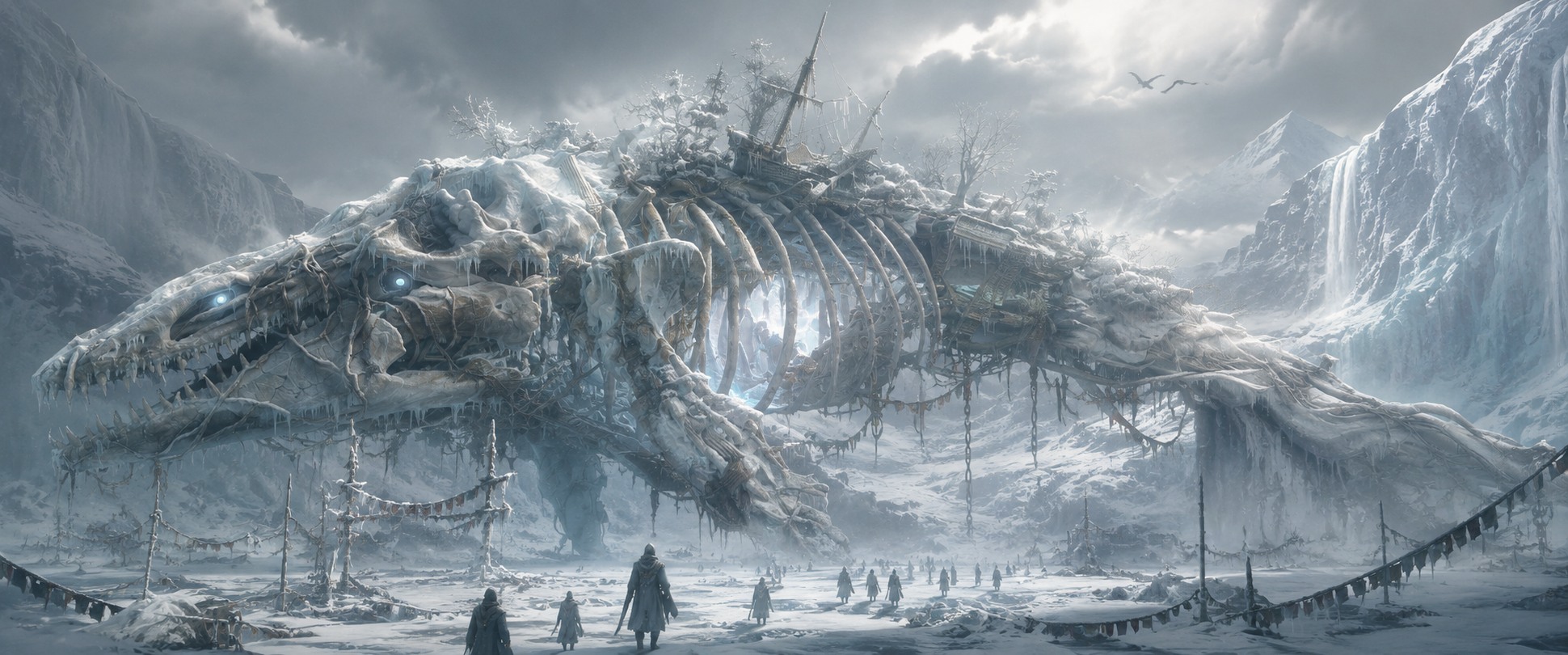
《狼隐》是一部围绕人族与狼族展开的奇幻叙事短片。影片以极寒冰原作为故事发生地,将复古未来主义的世界观与东方少数民族地域文化重新组合,试图构建一个既原始、古老,又残留着未来文明痕迹的架空世界。人物服饰、建筑、器物与环境设计都建立在这种矛盾感之上:粗粝的皮革、毛发与民族纹样,与机械结构、冷金属和废墟式科技遗迹并置,使整个世界处于文明与荒蛮、过去与未来之间。故事以人狼两族共同抵御冰原巨兽的伏击作为外部叙事张力,但真正的核心落在人与人、族群与族群之间的关系。族长与女儿之间的情感冲突,以及人狼两族逐渐显露的血脉渊源,共同构成影片更深层的情绪线索。巨兽并非单纯作为奇观出现,而更像一种外部压力,迫使原本对立的两族重新面对彼此。影片采用全流程 AI 的方式完成,希望在奇幻世界观、角色表演与电影化叙事之间建立更完整的联系,也借此探索生成式影像是否能够真正承载人物关系和持续性的故事表达。
The Last Howl is a fantasy short film centered on the relationship between humans and wolves. Set within a frozen wilderness, the film combines retro-futurism with cultural references drawn from Eastern ethnic traditions, creating a fictional world that feels both ancient and strangely futuristic. Its visual language is built around contrasts. Rough leather, fur, tribal patterns, and handmade objects coexist with mechanical structures, cold metallic surfaces, and remnants of forgotten technology, placing the world somewhere between civilization and wilderness, past and future. The immediate conflict follows humans and wolves as they are forced to confront a massive creature emerging from the frozen land. Beneath this spectacle, however, the narrative is driven by more intimate tensions: the relationship between a tribal leader and his daughter, and the gradually revealed blood connection between the two races. Rather than treating the creature purely as a visual spectacle, the film uses the external threat to force two opposing groups to reconsider their shared history. Created through a full AI production pipeline, the project explores how generative filmmaking can move beyond isolated imagery and begin to support character relationships, emotional development, and continuous cinematic storytelling.
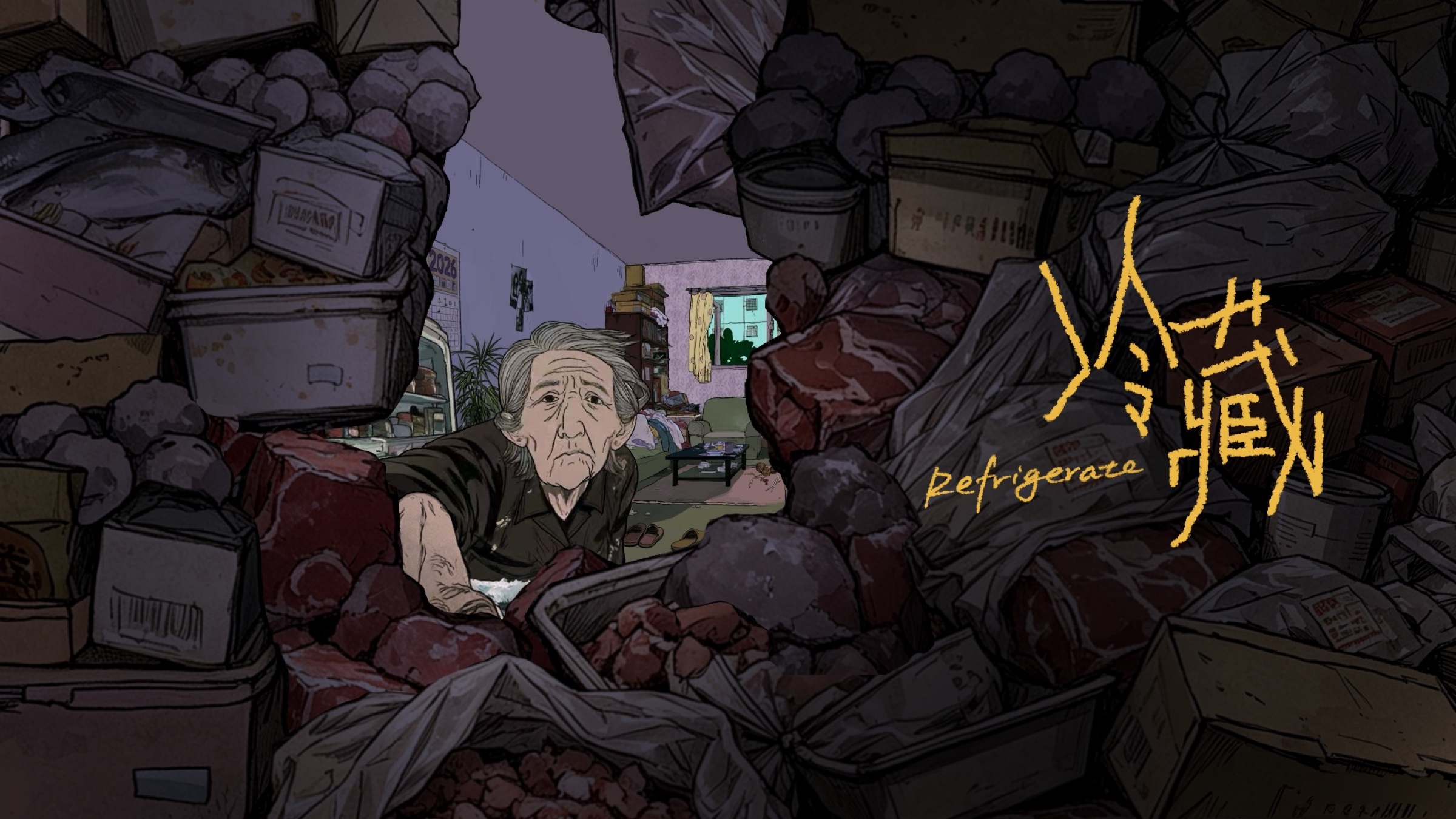
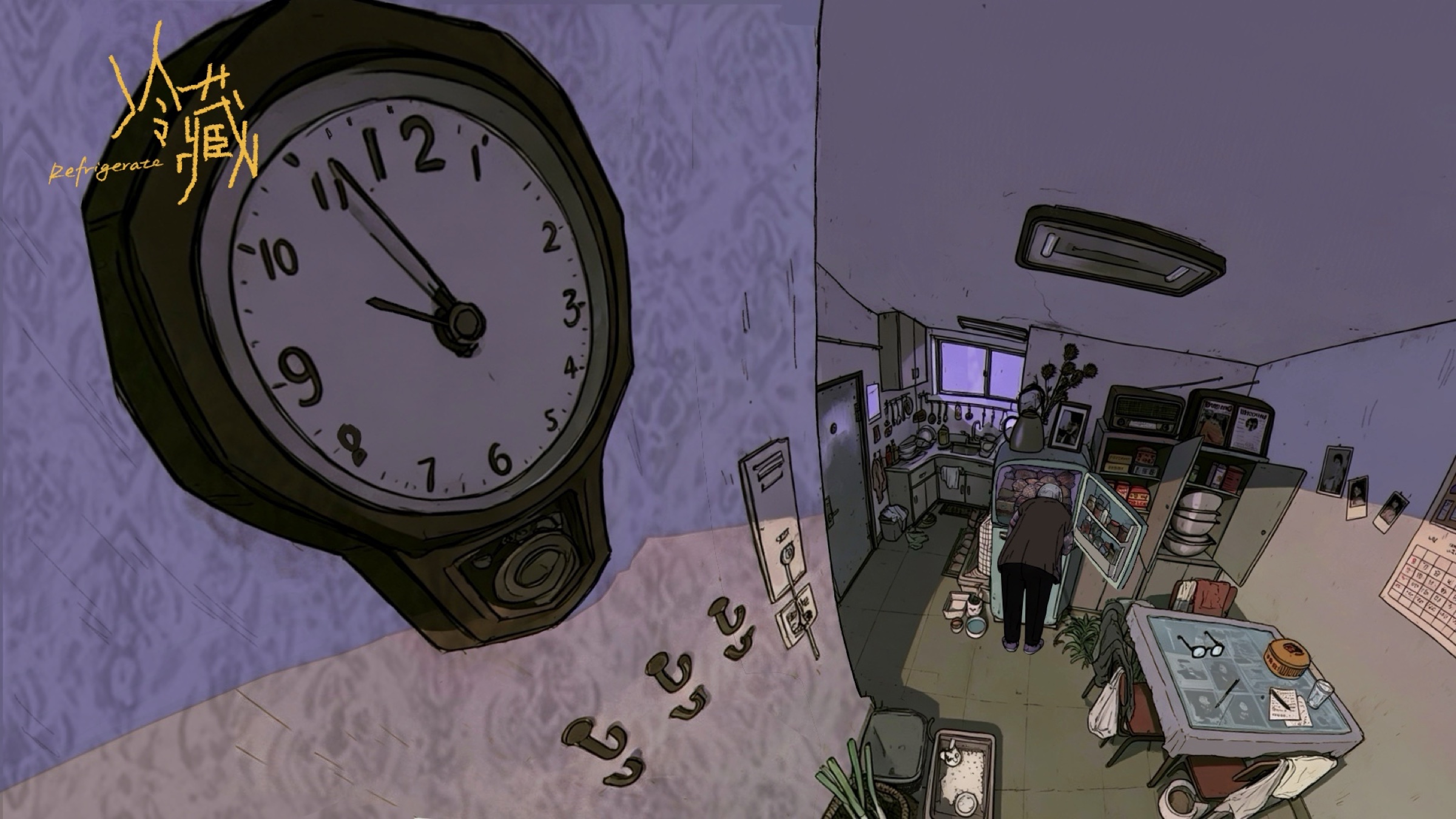
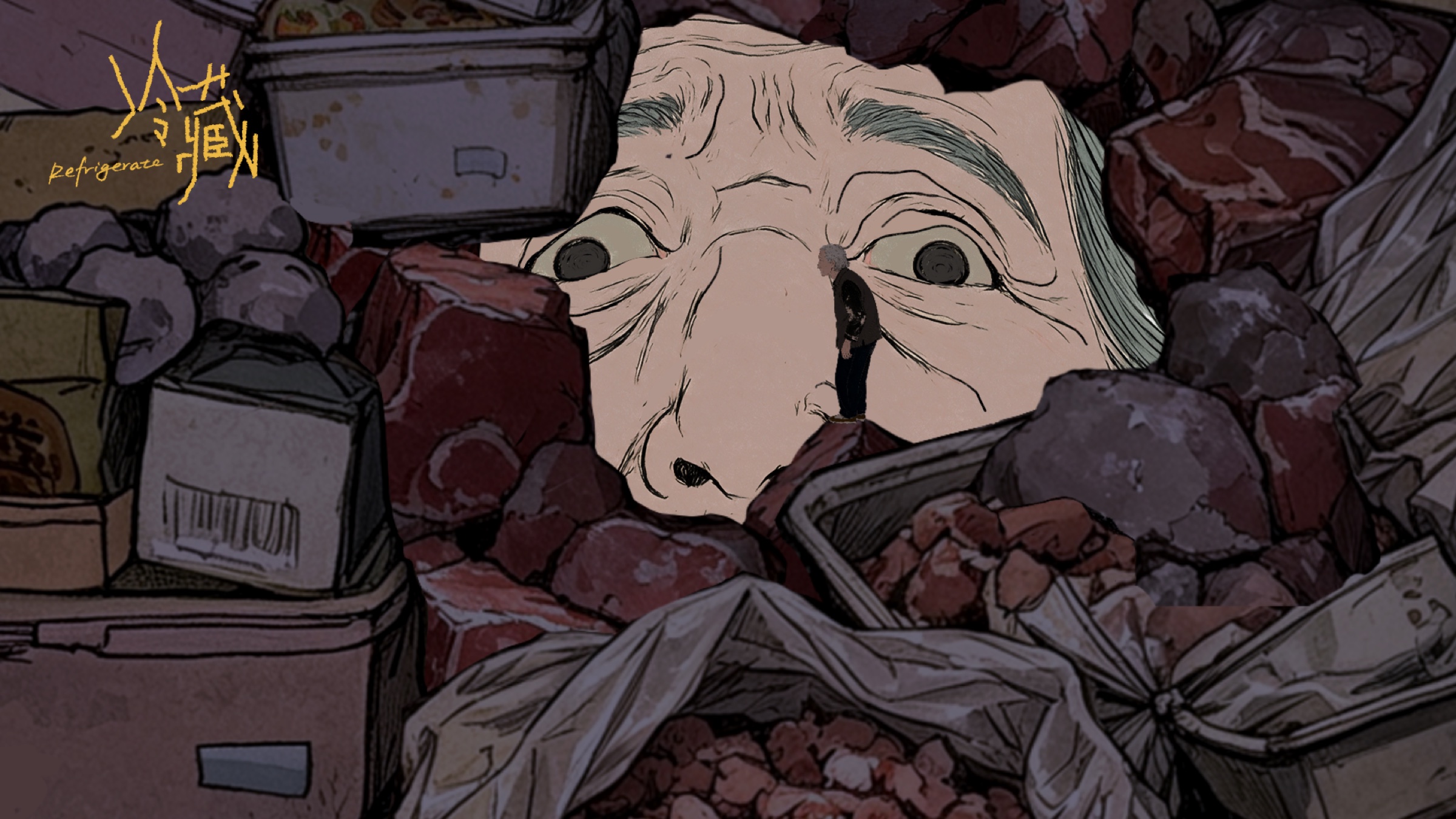
Cold Storage is a 2D animated short film developed from observations of everyday life. Its starting point is an ordinary but generationally familiar habit: elderly people keeping food in the refrigerator for long periods of time, often reluctant to throw it away even after it has been frozen for far too long. The film pushes this everyday detail into magical realism. Forgotten “zombie meat” gradually develops faces, bodies, and personalities, becoming strange companions to an elderly woman living alone. The visual world remains strongly grounded in domestic reality. A cramped kitchen, an old refrigerator, plastic bags, frozen food, and worn household furniture preserve the specificity of ordinary life. As the story progresses, however, these familiar objects slowly begin to mutate, allowing the realistic space to drift toward the absurd. Rough hand-drawn textures, desaturated colors, and slightly distorted character designs create a visual language somewhere between social observation and art-school experimentation. The surreal elements therefore feel less like an interruption of reality and more like something growing naturally from within it. The “zombie meat” ultimately functions as a metaphor. At the heart of the film is a question about the visualization of loneliness among the elderly—and whether objects, food, and repetitive habits can gradually become substitutes for human companionship.
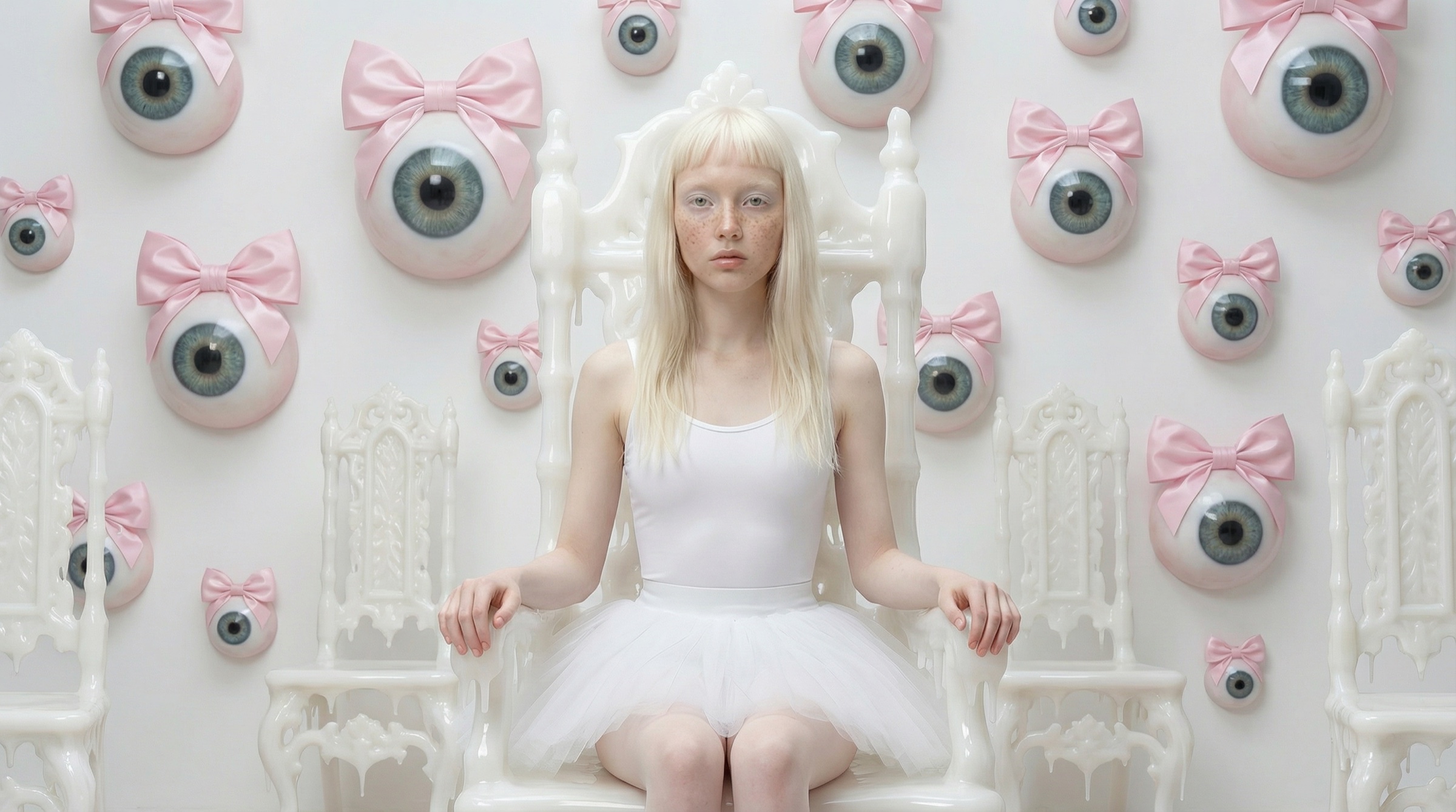
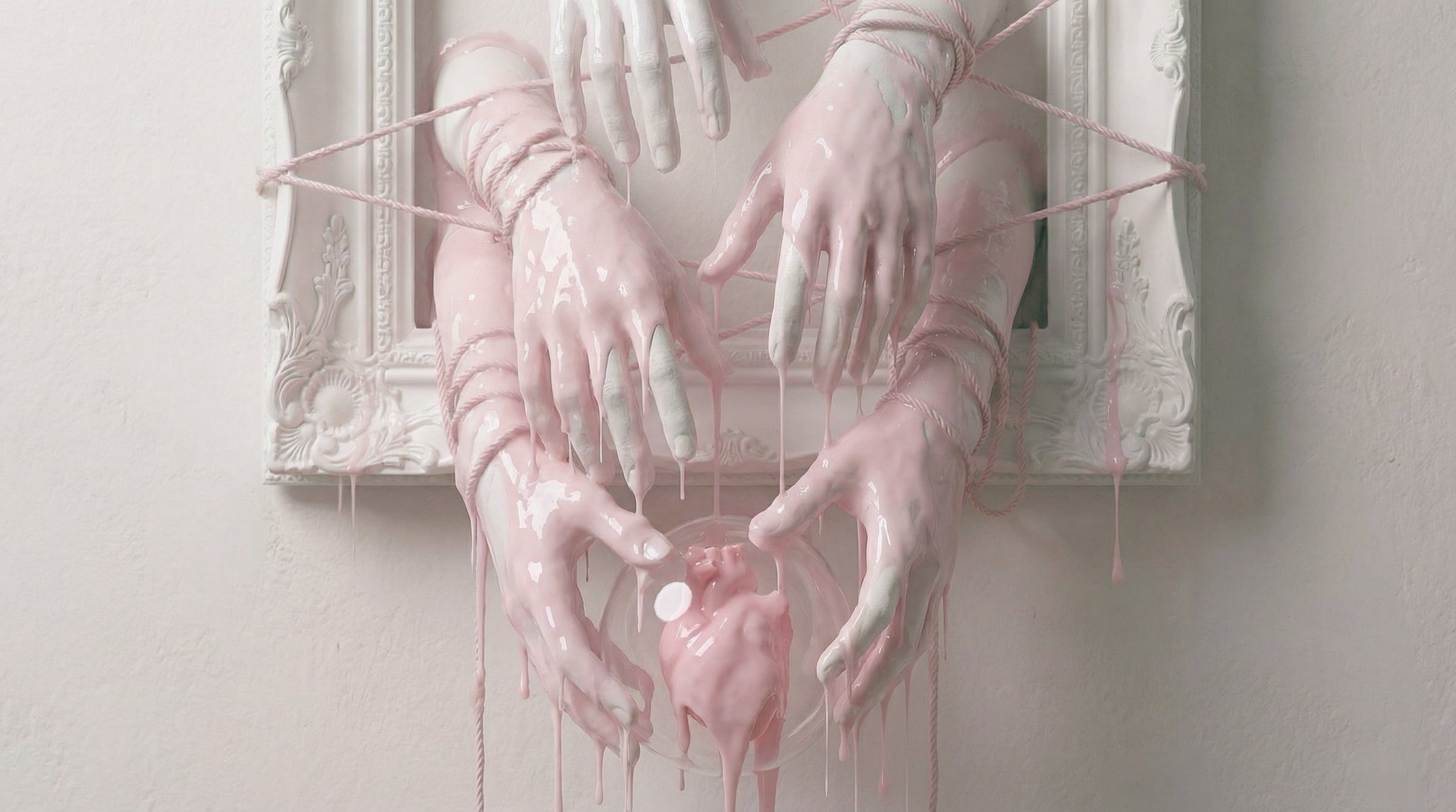
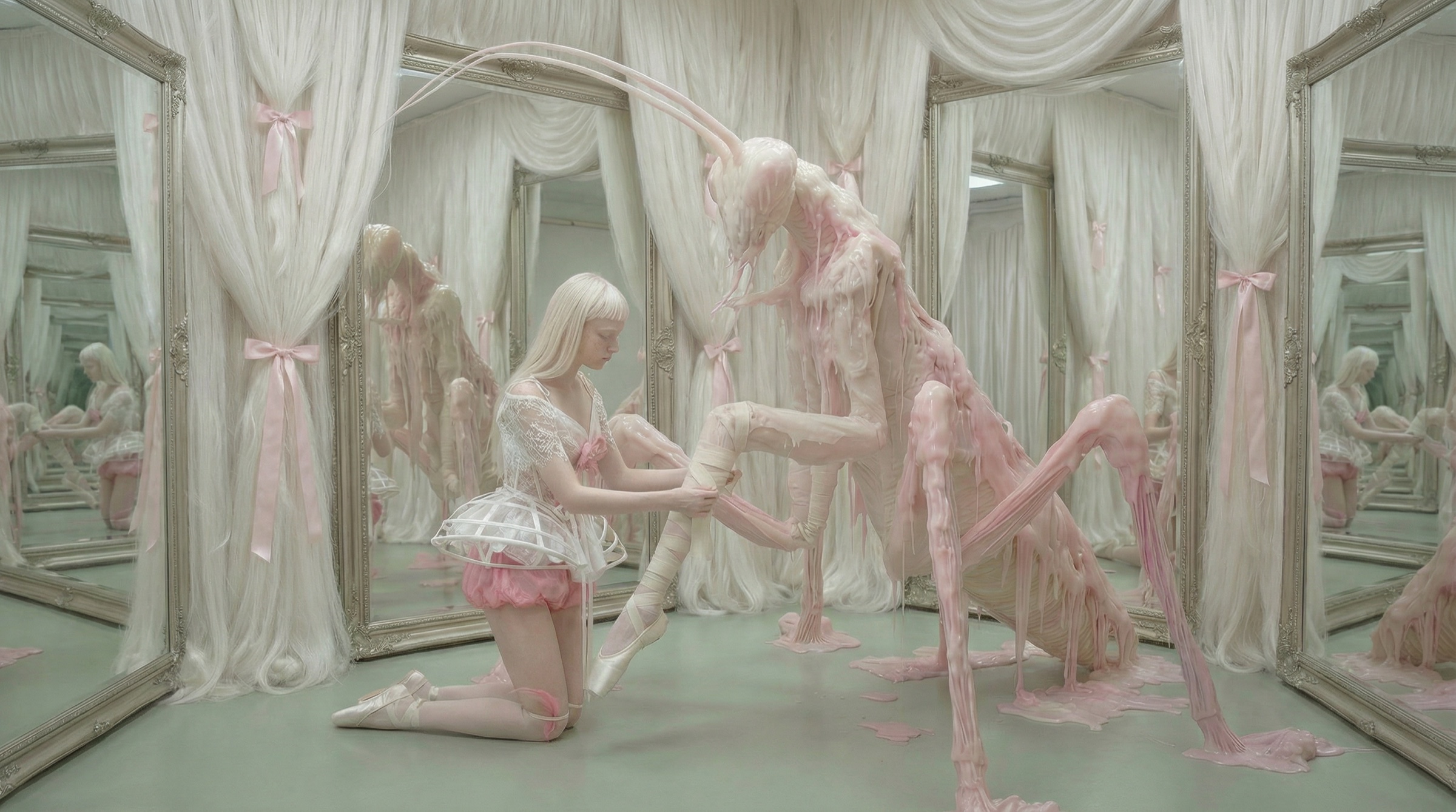
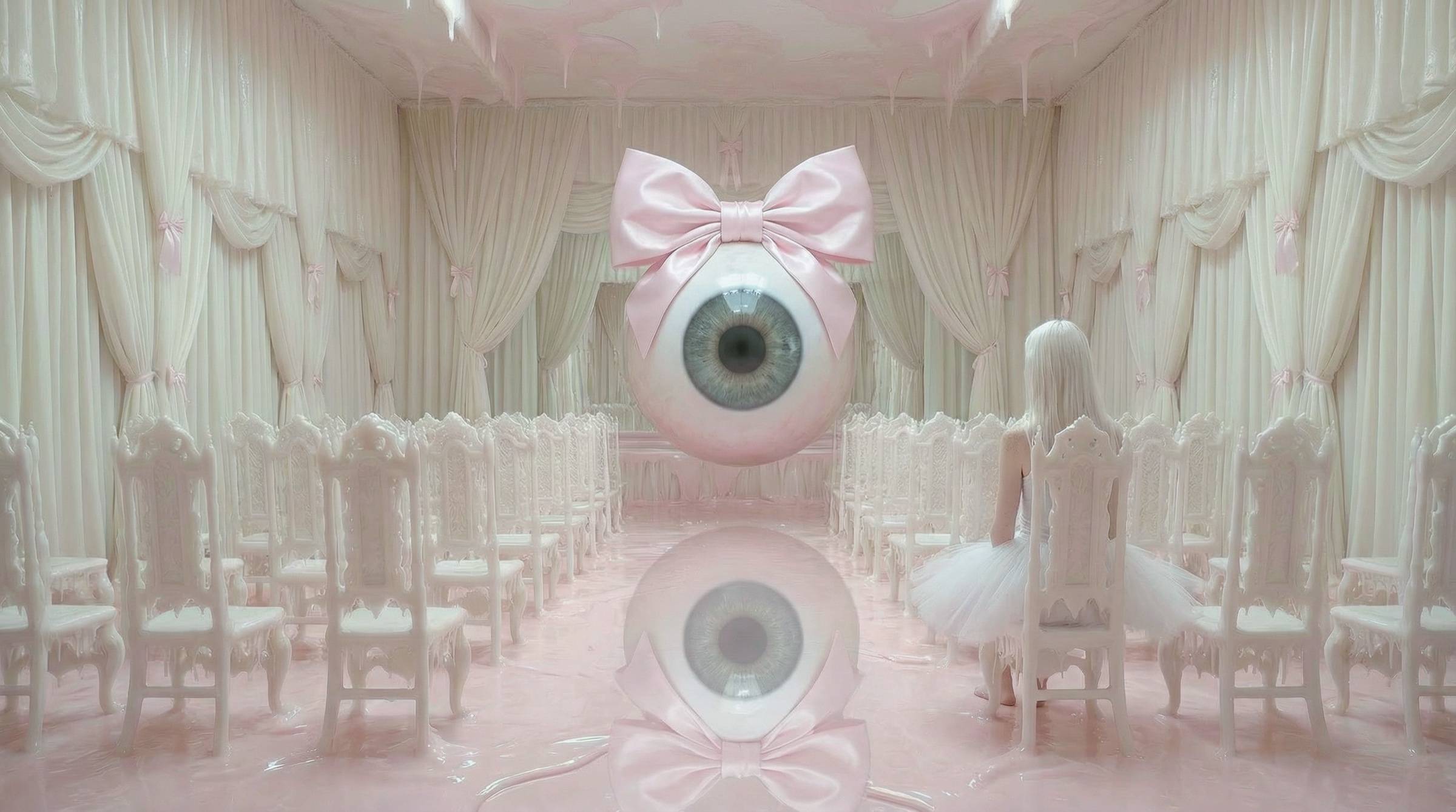
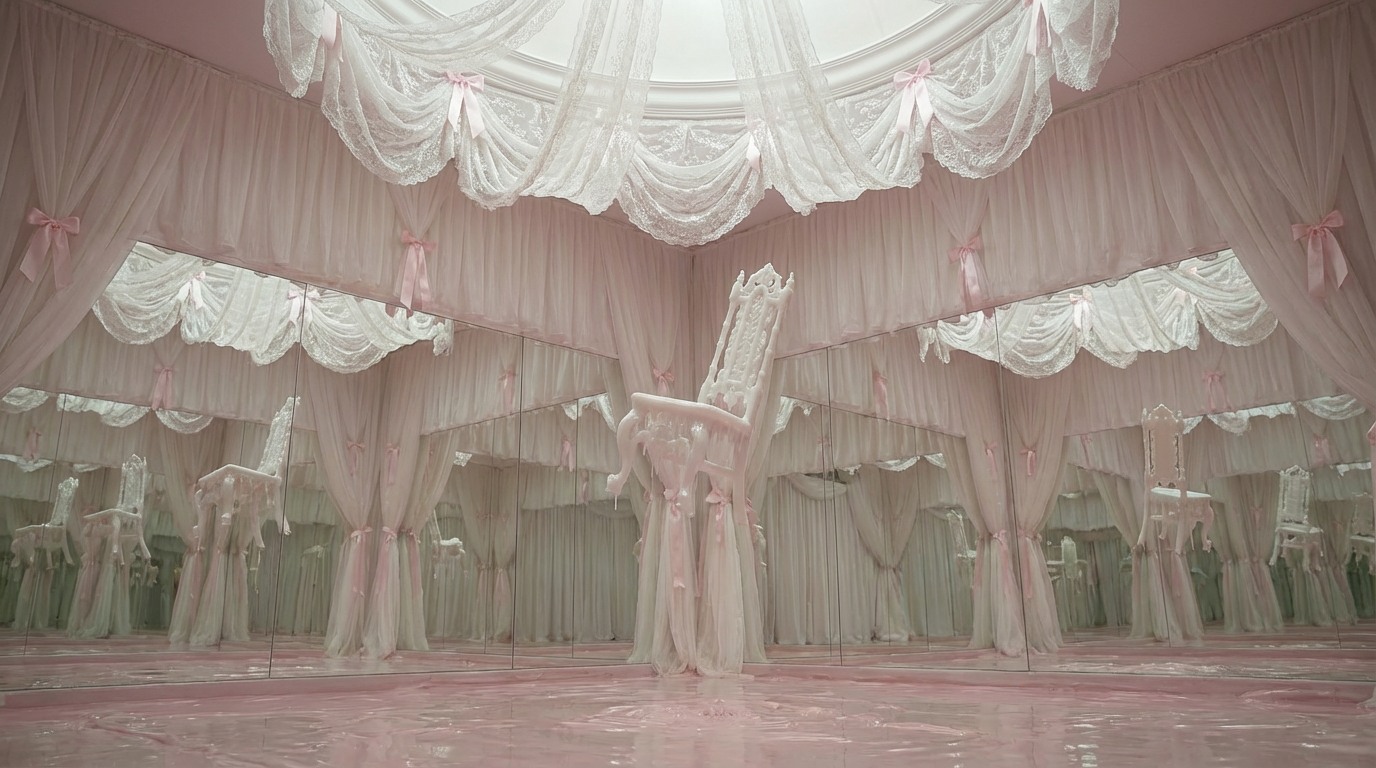
A romantic dream language is gradually disturbed by impossible scale, unstable bodies and spaces that feel subtly wrong. Horror emerges from inside the beauty rather than replacing it.
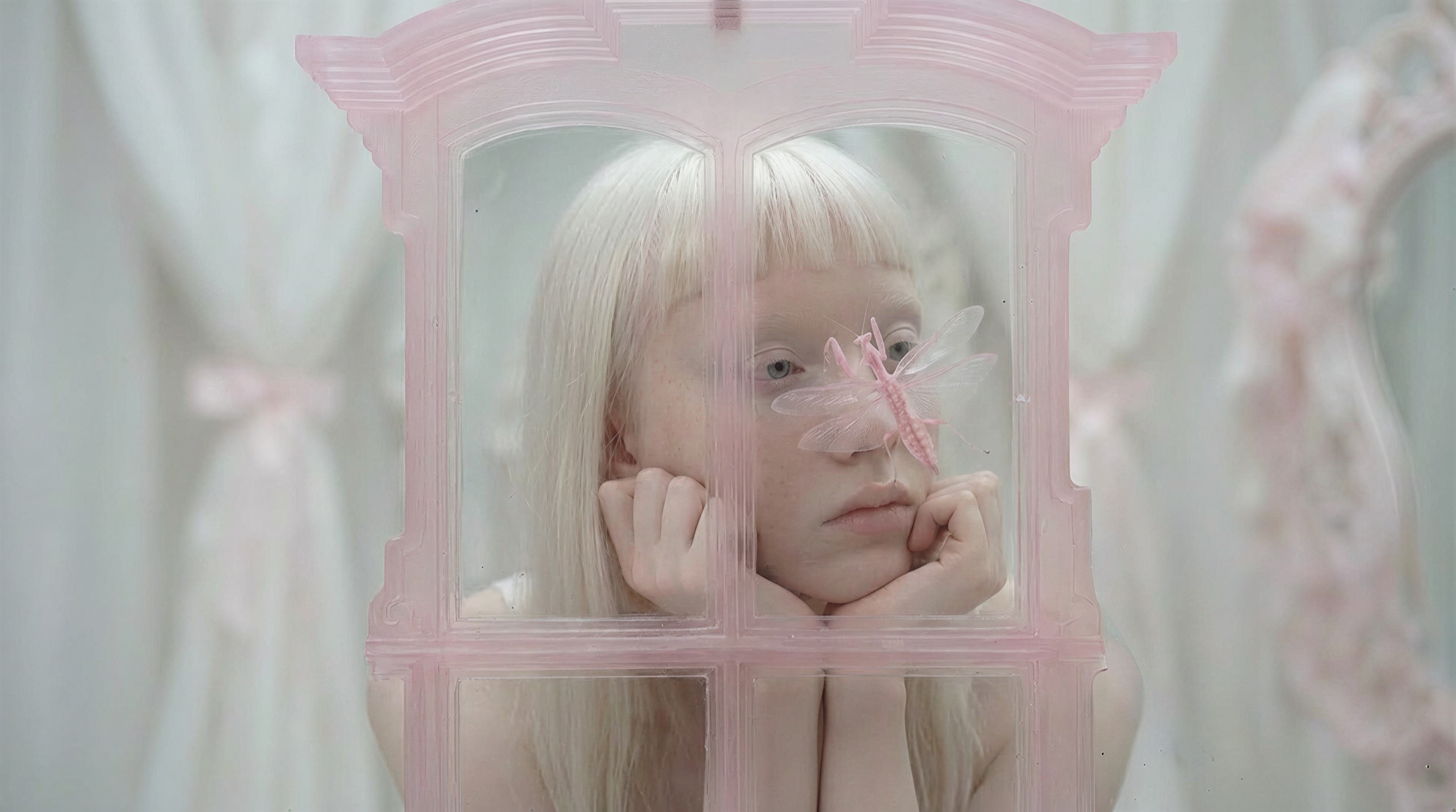
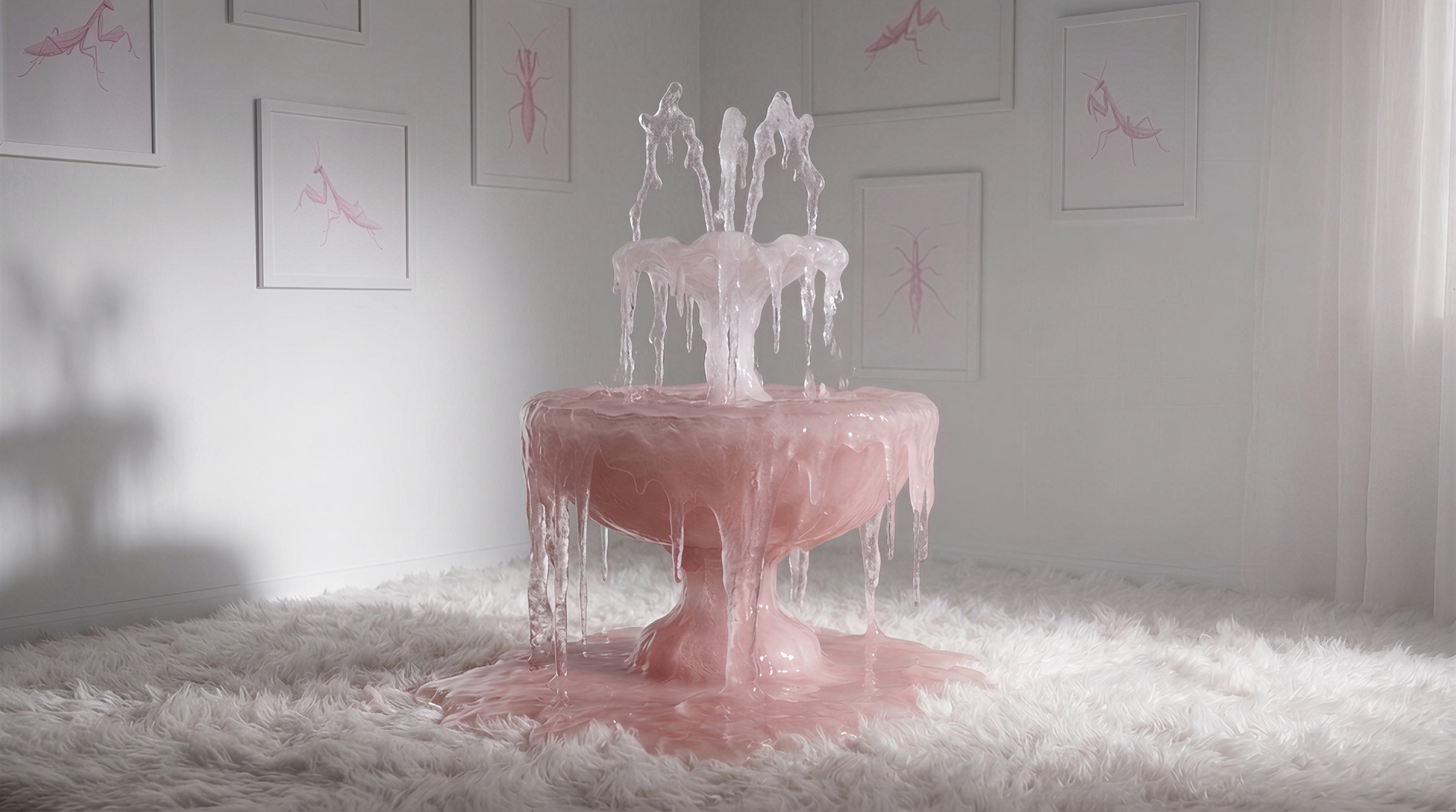
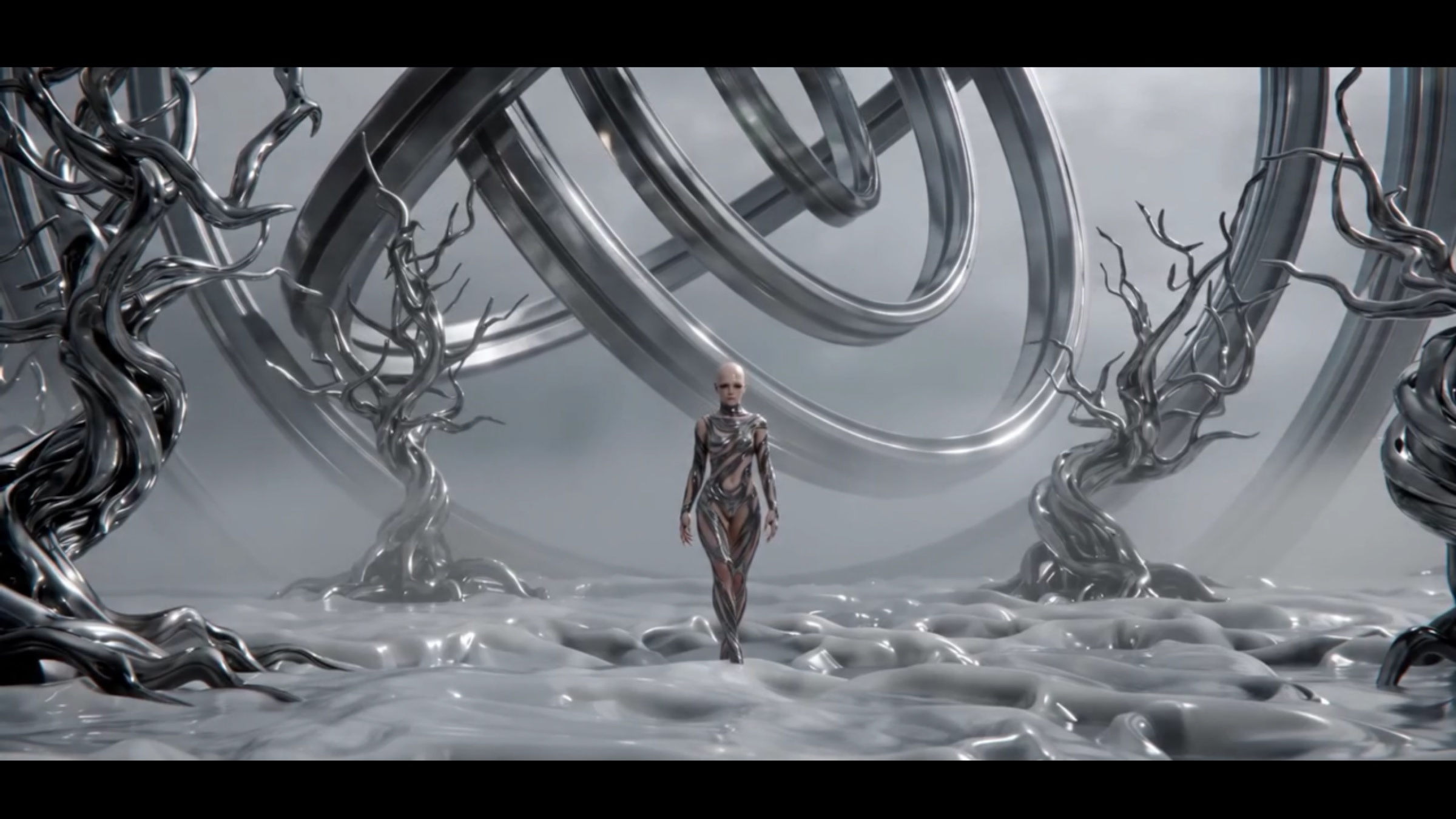
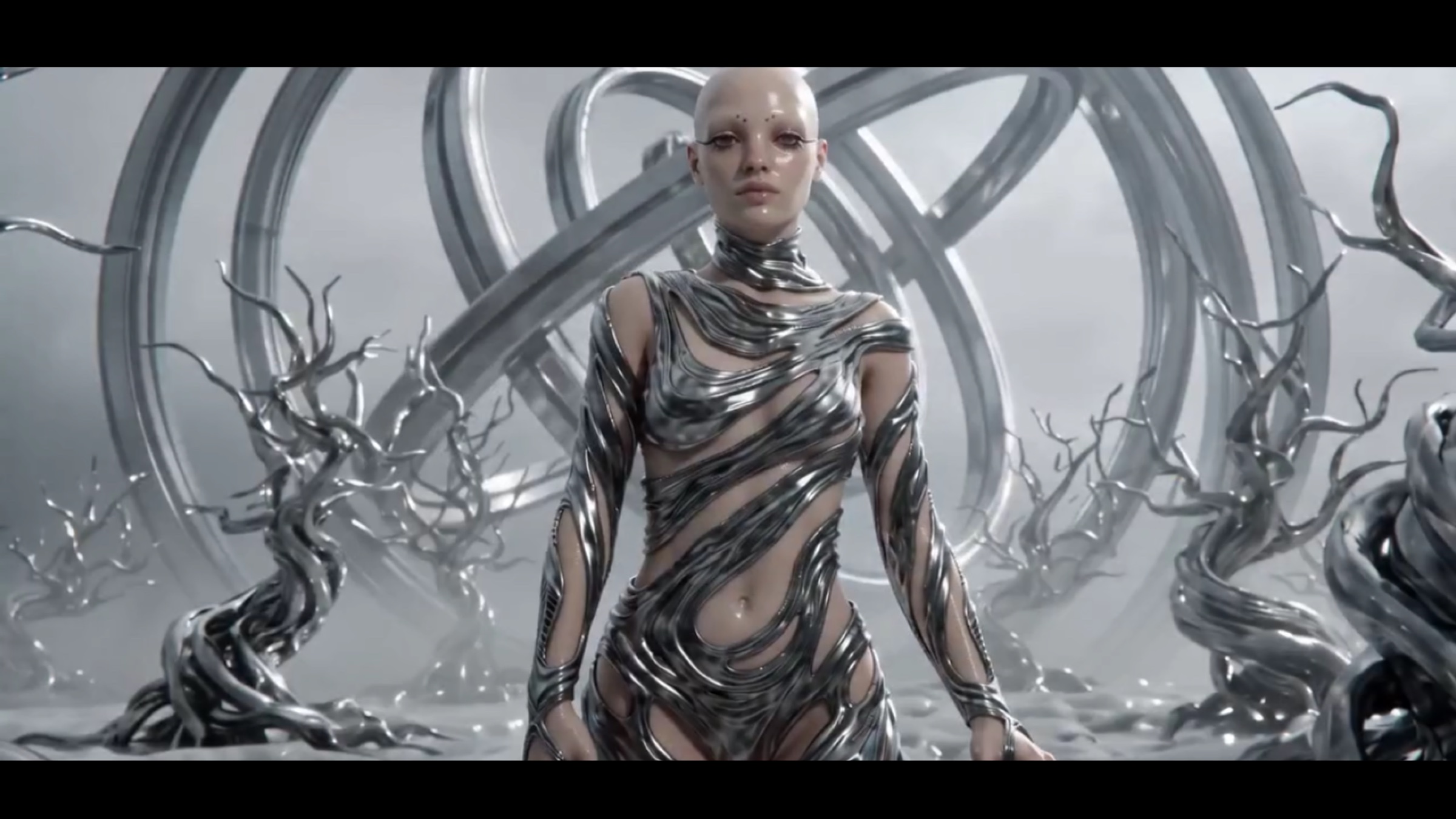
A moving-image study of how AI interprets surface, reflection and bodily motion. Material does not decorate the figure; it continually rewrites what the figure can become.